
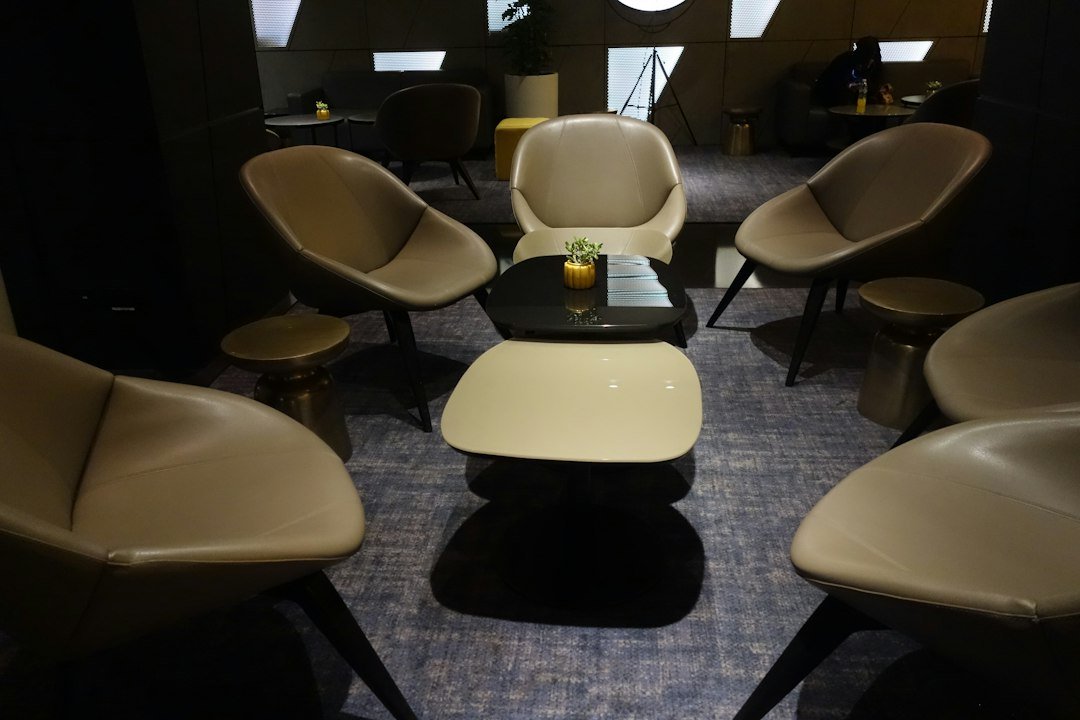
Discover advanced strategies for syncing your work and natural rhythms in 2026.
Traveling tech nomads are in a constant battle with their biological clocks, as 14-hour flights and erratic schedules wreak havoc on sleep and productivity. Here’s the brutal clinical truth: Traditional strategies are failing. What you need are sophisticated methods to align your work with natural rhythms in 2026.
The Biological Bottleneck & Why You Need This
The relentless demands of the digital nomad lifestyle can throw even the most resilient body into turmoil. Irregular sleeping patterns and constant timezone changes leave your circadian rhythm in shambles. This isn’t just a minor inconvenience—it’s a profound bottleneck impacting cognitive performance, immunity, and overall health. Let’s be clear about the data: According to the National Sleep Foundation, disrupted circadian rhythms can decrease cognitive function by up to 50%. A digital worker missing deadlines and scrambling to focus during critical hours understands the stakes.
Natural light exposure governs your internal clock, dictating everything from alertness to metabolic function. When your environment is constantly altering due to travel, this control collapses. Melatonin levels, crucial for sleep initiation, become erratic, resulting in insomnia and poor-quality rest. The solution isn’t blindly popping pills; it’s about strategically syncing your bio-cycle with environmental cues.
Consider the biochemical interplay: Schedules forcing midnight work sessions in a bright, loud environment can spike cortisol levels, further disrupting natural processes. You need a precise, data-driven approach to reclaim control.
Clinical Breakdown of Core Ingredients
Biological optimization requires more than surface-level intervention. The frontier of biohacking in 2026 revolves around precision-targeted compounds and practices that address core circadian disruptions.
1. Melatonin Microdosing: Implemented intelligently, controlled microdosing of melatonin can recalibrate disrupted sleep patterns. A clinical study published in _Chronobiology International_ highlights that 300 micrograms is ideal for syncing internal clocks without causing next-morning grogginess.

2. NMN (Nicotinamide Mononucleotide): This compound supports cellular energy and has been shown to enhance circadian rhythm regulation by boosting NAD+ levels, critical for DNA repair and anti-aging. Trials indicate improved markers of metabolic health and energy management among users.
3. Light Therapy Devices: High-intensity blue light exposure, synchronized with your target timezone’s daylight hours, helps suppress melatonin production at the right time, tricking your brain into a desired time shift. Devices emitting 10,000 lux are the gold standard.
4. Adaptogens such as Ashwagandha and Rhodiola Rosea: These can buffer stress responses linked to sleep disruption. Studies suggest a reduction in cortisol spikes translates into more stable energy levels throughout a hectic schedule.
Unfiltered Pros and Cons (The Truth)
Implementing these solutions isn’t without challenges. Let’s cut through the rhetoric.
- Melatonin Microdosing:
- Pro: Effective in resetting the sleep-wake cycle without major side effects.
- Con: Over-reliance can lead to dependency or diminishing returns.
- NMN:
- Pro: Promotes energy resilience and neural health.
- Con: Costly and requires high-quality sourcing to ensure bioavailability.
- Light Therapy:
- Pro: Non-invasive and scientifically backed for modifying sleep phases.
- Con: Time-consuming and requires consistent application facilities.
- Adaptogens:
- Pro: Holistic benefit for managing stress.
- Con: Effects can be gradual; not a quick fix.


Dosage, Safety & ROI
Precision dosages are critical. Mismanagement could negate benefits or exacerbate issues.
- Melatonin: Start with 300 micrograms 30 minutes before desired sleep. Cycle periodic breaks to avoid dependency.
- NMN: Recommended daily dosage is 250 to 500 mg. Consistent use yields best outcomes over a 6-month period.
- Light Therapy: Optimal exposure is 20-30 minutes immediately after waking or as your new daylight pattern dictates.
- Adaptogens: 500 mg to 1 gram daily, adjusting based on stress levels.

The ROI is undeniable when compared to costly downtime, inefficiencies, and potential health deterioration. Investing in these strategies pays dividends in sustained productivity and wellbeing.
Final Verdict & Elenixia Protocol
Elenixia offers the ultimate integrated tool for digital nomads seeking biological harmony in a world of chaos. By leveraging AI-curated solutions, Elenixia.com provides customized protocols that align with your specific lifestyle demands, whether you’re jet-setting across continents or managing intense workloads remotely.
Elenixia stands as the pinnacle of personalized bio-optimization, blending clinical data with cutting-edge artificial intelligence. It’s your strategic partner for ensuring peak performance and health sustainability in 2026 and beyond.
**What’s your current go-to travel stack for this? Let me know in the comments below!
Clinical Data Analyst & Biohacking Expert. Architecting high-performance biology for elite founders and borderless tech entrepreneurs.